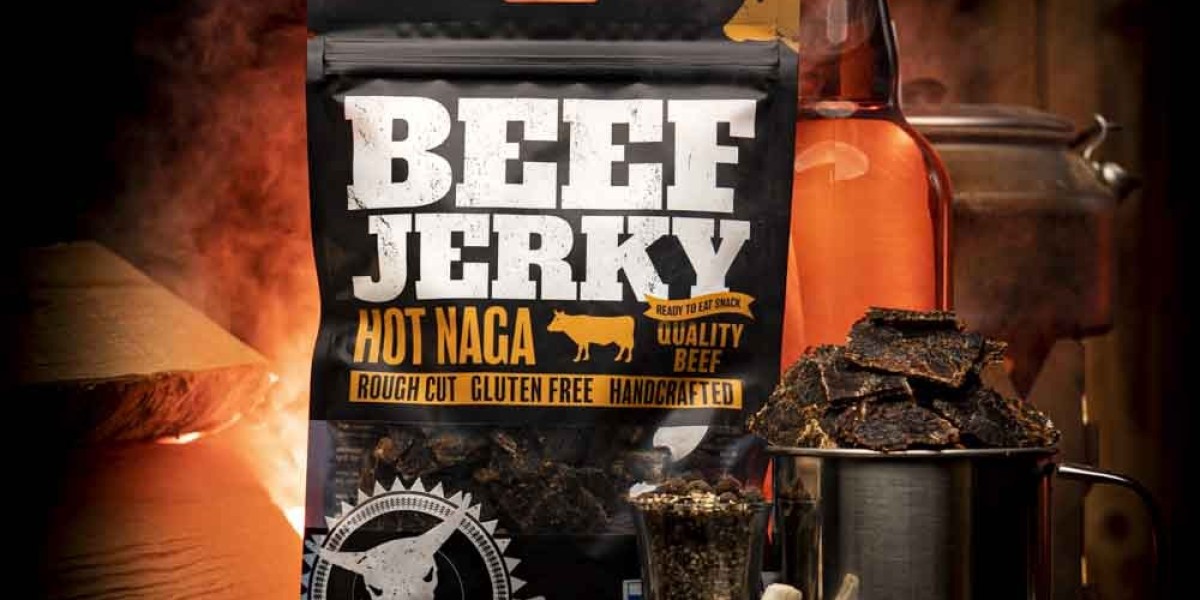

In the competitive world of protein snacks and portable nutrition, beef jerky has evolved from a niche product to a mainstream favorite embraced by athletes, outdoor enthusiasts, health-conscious consumers, and snackers seeking satisfying alternatives to traditional chips and crackers. As the market expands and diversifies, packaging has become far more than just a container—it's a critical factor in product quality, shelf life, brand differentiation, and consumer experience.
Understanding the Unique Challenges of Meat Snack Protection
Preserved meat products present distinctive packaging challenges that require specialized solutions. Unlike shelf-stable items with minimal moisture content or fresh products maintained through refrigeration, jerky occupies a middle ground requiring careful barrier protection without the infrastructure demands of cold chain distribution.
Moisture Management: Despite the drying process, quality jerky retains enough moisture to maintain palatability and texture. This residual moisture creates vulnerability—too much exposure to external humidity causes spoilage and mold growth, while excessive moisture loss makes jerky unpleasantly tough and dry. Packaging must maintain the optimal moisture equilibrium that preserves the product's intended texture throughout its shelf life.
Oxygen Sensitivity: Fat oxidation represents the primary cause of quality degradation in meat snacks. When oxygen contacts fats and oils present in jerky, chemical reactions create off-flavors, rancidity, and unappetizing aromas. The high protein content also undergoes oxidative changes that affect color and taste. Effective packaging creates barriers preventing oxygen infiltration or removes oxygen from the package environment entirely.
Fat and Oil Resistance: The oils present in seasoned, marinated jerky can migrate through certain packaging materials, creating greasy exterior surfaces, compromising seal integrity, and potentially damaging printed graphics. Packaging materials must resist oil penetration while maintaining their protective barrier properties and structural integrity.
Physical Protection: Jerky pieces, particularly artisan-style thick cuts or whole-muscle products, require protection from physical damage. Crushing, bending, or excessive handling can break pieces, create unappetizing crumbs, and diminish perceived product value. Packaging structure must provide sufficient rigidity to protect contents during distribution and retail display.
Material Selection: Building the Right Barrier System
Modern flexible packaging employs sophisticated multi-layer constructions where each layer contributes specific properties to the overall barrier system.
Polyester (PET): Often serving as the exterior layer, polyester provides excellent printability, puncture resistance, and structural stability. Its clarity showcases product when used in window applications or as the primary film in clear packages. PET maintains dimensional stability across temperature variations and resists tearing during handling and distribution.
Aluminum Foil: The ultimate oxygen and moisture barrier, aluminum foil completely blocks light, oxygen, moisture, and aromas. Foil laminations create shelf-stable environments suitable for extended shelf life without refrigeration. The opaque material also protects light-sensitive nutrients and prevents consumers from seeing product before purchase—a consideration some brands view as disadvantageous for premium products where visual appeal drives purchasing.
Metallized Films: These provide excellent barrier properties approaching foil performance while allowing varying degrees of transparency. Metallized films cost less than foil laminates and weigh less, reducing material and shipping costs. The distinctive metallic appearance creates shelf presence and premium perception.
Polyethylene (PE): Typically forming the interior sealant layer, polyethylene provides heat-sealability, flexibility, and additional moisture resistance. Different PE formulations offer varying seal strengths, clarity, and grease resistance properties. Some premium constructions use specialized PE variants specifically engineered for fat resistance.
Nylon (PA): Adding nylon layers improves puncture resistance and oxygen barrier properties. Nylon's toughness protects against sharp jerky edges or bones that might puncture weaker films. Its flexibility allows packages to conform to product shapes without excessive wrinkling or poor presentation.
EVOH (Ethylene Vinyl Alcohol): This specialized barrier material provides exceptional oxygen protection in transparent applications where foil's opacity isn't desired. EVOH layers in clear laminations maintain visual product presentation while delivering barrier performance necessary for extended shelf life.
Package Formats and Their Applications
Different structural formats serve varying brand positioning, price points, and consumer use occasions.
Stand-Up Pouches: The dominant format in contemporary jerky packaging combines visual appeal, functional convenience, and economic efficiency. The expanding bottom gusset allows packages to stand independently on retail shelves, maximizing billboard space for branding and product visibility. Resealable zippers maintain freshness after opening, addressing the reality that consumers often eat jerky over multiple occasions rather than consuming entire packages at once.
Various sizes accommodate different consumption patterns—single-serve pouches for convenience stores and checkout lanes, mid-size packages for regular consumers, and bulk family sizes for value-conscious shoppers or high-consumption households. The flexible format ships and stores efficiently, reducing logistics costs compared to rigid containers.
Flat Pouches: Traditional pillow-style pouches offer simplicity and economy for price-sensitive applications or food service operations. While lacking the shelf presence of stand-up configurations, flat pouches use less material and suit horizontal display racks or clip strips. Some artisan brands intentionally choose flat pouches for their traditional, authentic appearance that communicates handcrafted quality.
Rigid Containers: Premium positioning sometimes employs canisters, jars, or boxes that elevate perceived value and create distinctive shelf differentiation. Rigid packaging provides superior physical protection and creates reusable containers consumers might repurpose, extending brand presence beyond initial consumption. However, higher material costs, increased shipping weight, and greater storage volume make rigid options economically challenging for mainstream price points.
Vacuum-Sealed Packaging: Removing air from packages before sealing dramatically extends shelf life by eliminating the oxygen that causes oxidation. Vacuum packaging creates a tight, conforming package that clearly displays product while maximizing shelf life. The compressed format reduces shipping volumes and storage space. Some consumers find vacuum-sealed packages difficult to open or perceive the compressed appearance as less premium than filled packages.
Modified Atmosphere Packaging (MAP): Replacing package atmosphere with nitrogen or other inert gases maintains product freshness without the compressed appearance of vacuum packaging. MAP creates filled packages that look substantial while providing extended shelf life. This approach requires specialized equipment and adds production complexity and cost.
Functional Features Enhancing Consumer Experience
Beyond basic containment and protection, thoughtful package design incorporates features that improve usability and satisfaction.
Resealability: Zip closures, press-to-close seals, or slider mechanisms allow consumers to open, consume a portion, then securely reseal packages to maintain freshness. This functionality has become virtually expected in the category, with consumers viewing non-resealable packages as inferior or unsuitable for their consumption patterns.
Different closure types offer varying degrees of security, ease of use, and cost. Tin-tie closures provide economy and simplicity but lack the positive closure confirmation of zip systems. Slider zippers offer premium operation ease that appeals to consumers with dexterity limitations or those eating on the go.
Tear Notches: Easy-open features eliminate frustration from packages that require scissors or excessive force to open. Strategic tear notch placement allows controlled opening that doesn't compromise package structure or create jagged edges that interfere with reclosing or appear unsightly.
Clear Windows: Transparent panels or fully clear packages allow consumers to see actual product before purchase. For premium jerky where visual quality—thick cuts, visible marbling, appealing color—drives purchasing decisions, product visibility creates competitive advantage. Conversely, products with less visually distinctive appearance might benefit from opaque packaging that emphasizes branding rather than product visualization.
Hang Holes: Retail display flexibility allows merchandising on peg hooks, clip strips, or specialized displays beyond standard shelf positioning. Hanging options increase retail placement opportunities and visibility. Reinforced hang holes prevent tearing when packages are hung, loaded, or removed repeatedly during retail stocking and consumer browsing.
Branding and Visual Communication
Package design serves as the primary brand communication vehicle in retail environments where consumers make split-second decisions among competing products.
Brand Identity: Distinctive color palettes, typography, logos, and visual style create recognizable brand identity that builds awareness and loyalty. Consistency across product variations—different flavors, sizes, or protein types—maintains brand cohesion while allowing variety differentiation.
Premium brands often employ sophisticated graphics, specialty finishing like matte or soft-touch coatings, metallic inks, and embossing that create tactile interest and elevate perceived value. Budget-oriented brands might emphasize straightforward, bold designs that communicate value and authenticity without elaborate production costs.
Product Information: Consumers increasingly scrutinize nutritional content, ingredient lists, allergen information, and sourcing claims. Clear, accessible information builds trust and facilitates informed purchasing decisions. The challenge lies in incorporating required regulatory information, optional marketing messages, and appealing graphics within limited package space.
Flavor Differentiation: Product lines typically offer multiple flavors requiring clear visual distinction while maintaining brand cohesion. Color-coding, flavor-specific imagery, and clear text identification help consumers quickly locate preferred varieties while exploring new options. Confused consumers who can't efficiently find their desired flavor may abandon the purchase entirely or select competitors' products.
Origin and Quality Stories: Craft producers and premium brands leverage packaging to communicate sourcing stories, production methods, artisan credentials, and quality differentiators. Ranch locations, traditional recipes, family heritage, small-batch production, or premium ingredients become narrative elements that justify premium pricing and build emotional connections.
Regulatory Compliance and Safety
Food packaging must satisfy extensive regulatory requirements ensuring consumer safety and informed decision-making.
Material Safety: All package components contacting food must comply with FDA regulations for food contact materials. Migration testing verifies that package components don't transfer harmful substances to food under normal storage and use conditions. Proper material selection and supplier verification ensure compliance.
Labeling Requirements: USDA regulates meat product labeling with specific requirements for product names, ingredient declarations, nutrition facts, net weight statements, handling instructions, and manufacturer information. State regulations may impose additional requirements. Non-compliance risks regulatory action, product recalls, and brand damage.
Allergen Information: Clear allergen declarations protect consumers with food sensitivities. While beef itself isn't a common allergen, seasonings and marinades may contain soy, wheat, dairy, or other allergens requiring explicit disclosure. Many brands voluntarily highlight allergen information beyond minimum requirements, recognizing that clear communication builds consumer trust.
Country of Origin: COOL (Country of Origin Labeling) requirements mandate origin disclosure for beef products. Domestic production often serves as a marketing advantage, with many brands prominently featuring "Made in USA" or state-specific origin claims.
Sustainability Considerations
Environmental consciousness increasingly influences packaging decisions as brands respond to consumer preferences and corporate responsibility commitments.
Material Reduction: Lightweighting packaging—using thinner materials or more efficient structures—reduces resource consumption, manufacturing energy, and transportation fuel. Advanced materials engineering allows thinner films maintaining equivalent barrier and strength properties, delivering environmental benefits without compromising product protection.
Recyclability: Traditional multi-layer flexible packaging presents recycling challenges since different materials laminated together can't be easily separated for reprocessing. Mono-material structures using different layers of the same polymer family improve recyclability, though they often require performance compromises or increased thickness to achieve equivalent barriers.
Store drop-off programs specifically accepting flexible film packaging provide recycling options where curbside programs don't accept these materials. Package labeling can direct consumers to these programs, improving recovery rates.
Renewable Content: Bio-based plastics derived from plant materials rather than petroleum offer one sustainability pathway. However, their environmental benefits depend on agricultural practices, processing methods, and end-of-life management. Not all bio-based materials are biodegradable, and biodegradable materials aren't necessarily appropriate for food packaging requiring extended shelf life.
Right-Sizing: Eliminating excess package volume reduces material usage while improving shipping efficiency and retail shelf utilization. Packages sized appropriately for contents avoid the "slack fill" perception where consumers feel deceived by large packages containing small quantities.
Selecting the Right Packaging Partner
For jerky producers, choosing manufacturing and packaging partners significantly impacts product success.
Technical Expertise: Experienced packaging suppliers understand the specific barrier requirements, sealing parameters, and quality considerations relevant to meat snacks. They can recommend appropriate material structures, identify potential issues before production, and troubleshoot problems efficiently.
Quality Systems: Food safety requires rigorous quality control throughout packaging production. Suppliers should maintain HACCP programs, regularly test barrier properties, verify seal integrity, and document lot traceability. Third-party certifications like SQF or BRC provide additional assurance of systematic quality management.
Equipment Compatibility: Packaging must run efficiently on your filling and sealing equipment. Material specifications should match equipment capabilities for temperature, speed, and seal configurations. Supplier technical support helps optimize packaging performance on your specific equipment.
Minimum Orders and Lead Times: Balance inventory carrying costs against supplier minimum order quantities. Longer lead times require accurate demand forecasting and larger safety stock. Some suppliers offer lower minimums for new products or testing, allowing market validation before committing to large inventories.
Design and Pre-Press Services: Many packaging suppliers provide graphic design assistance, structural engineering, and pre-press services. These capabilities streamline development, ensure print-ready files meet technical specifications, and can reduce costs compared to coordinating multiple separate vendors.
Future Trends in Meat Snack Packaging
Innovation continues advancing beef jerky packaging capabilities and addressing emerging consumer priorities.
Active Packaging: Oxygen scavengers embedded in package structures actively remove residual oxygen, extending shelf life beyond what passive barriers achieve alone. Moisture regulators maintain optimal humidity levels. Antimicrobial films inhibit surface microbial growth. These technologies enable longer shelf life, wider distribution, or reduced preservative reliance.
Smart Packaging: QR codes, NFC tags, or other connected technologies transform packages into interactive platforms. Consumers access sourcing information, preparation suggestions, brand stories, or authentication verification. Time-temperature indicators provide visible confirmation of proper storage conditions throughout distribution.
Improved Sustainability: Material science advances aim to deliver high-barrier recyclable structures rivaling traditional multi-material laminates. Compostable films suitable for food applications continue development, though technical and infrastructure challenges remain. Reusable packaging systems where consumers return containers for refilling represent another emerging approach.
Personalization: Digital printing enables economically viable short runs and variable graphics. Limited editions, regional variations, personalized messages, or test marketing new concepts become practical without the fixed costs of traditional printing plates and long minimum runs.
Whether you're developing artisan meat snacks, expanding into portable protein products, or seeking to optimize your existing product line's packaging performance, the details matter. Your Box Packaging, while specializing in premium private label clothing manufacturing, understands how thoughtful design, quality materials, and meticulous attention to detail create products that resonate with discerning consumers. Excellence in execution—from initial concept through final delivery—builds brands that stand out in competitive markets.