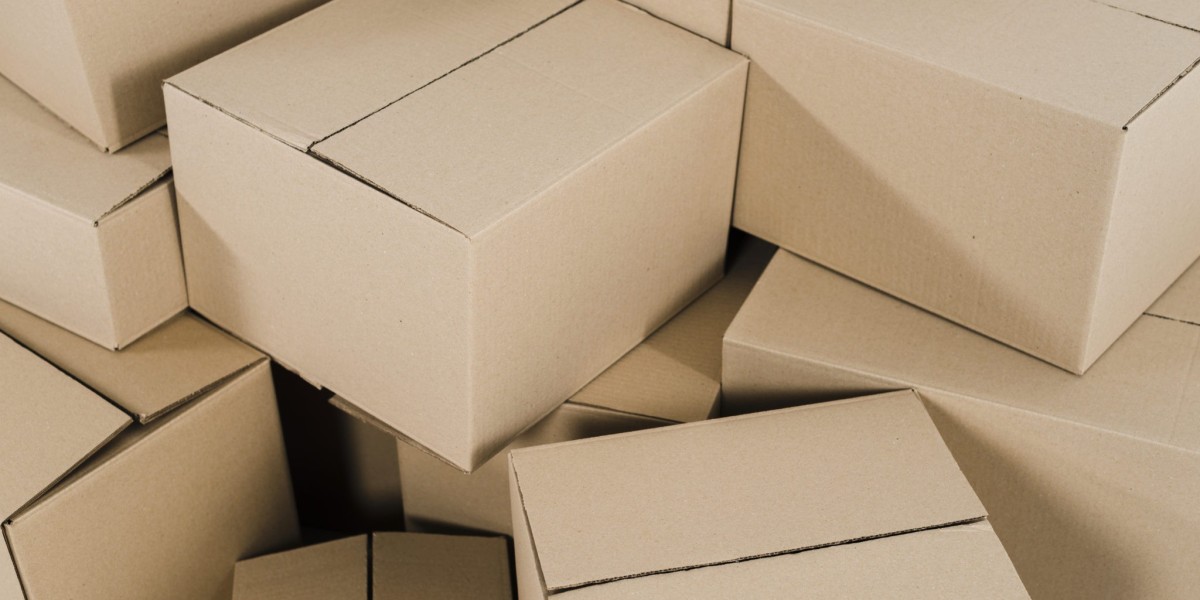

In our modern world of e-commerce, shipping, storage, and product presentation, packaging has become far more than just a container. The right packaging protects products during transit, communicates brand values, facilitates efficient logistics, and even influences purchasing decisions. Among all packaging options available, cardboard containers remain the most versatile, economical, and widely-used solution across virtually every industry.
Understanding Cardboard Construction and Materials
The term "cardboard boxes" encompasses various paper-based materials, each with distinct characteristics suited to different applications. Understanding these differences helps you select appropriate packaging for your specific needs.
Paperboard represents the thinnest and lightest option, typically consisting of a single layer of compressed paper fibers. This material works well for retail packaging, cereal boxes, shoe boxes, and lightweight product containers. Its smooth surface accepts printing beautifully, making it ideal when visual presentation matters. However, its limited structural strength restricts use to lighter items that don't require significant crush resistance.
Chipboard offers slightly more durability than standard paperboard while maintaining affordability. Made from recycled paper fibers, chipboard appears in backing boards, partitions, padding layers, and economy packaging applications. Its gray-brown appearance and rough texture make it less suitable for premium retail presentation, though it excels in industrial and behind-the-scenes applications.
Solid fiber construction creates stronger containers from multiple layers of paper pressed together. This material bridges the gap between lightweight paperboard and heavy-duty corrugated options, providing moderate strength at reasonable cost. It appears frequently in setup boxes, rigid gift boxes, and premium packaging where appearance and structural integrity both matter.
The manufacturing process significantly affects final product characteristics. Virgin fiber materials offer superior strength and cleaner appearance, while recycled content options provide environmental benefits and cost savings. Many modern packaging solutions blend recycled and virgin fibers, balancing performance, sustainability, and economics.
Applications Across Industries
The versatility of paper-based containers explains their ubiquity across diverse sectors. Each industry leverages specific characteristics that align with their unique requirements.
E-commerce and Shipping: Online retail has exploded demand for shipping containers. These applications prioritize protection during transit, efficient sizing to minimize dimensional weight charges, and secure closure systems. Many e-commerce operations use custom-sized packaging that reduces filler material needs while presenting products attractively upon opening—the "unboxing experience" has become a crucial marketing touchpoint.
Retail and Point-of-Purchase: Store-shelf packaging must attract consumer attention, communicate product benefits, withstand handling by multiple shoppers, and protect contents. Printed graphics, unique structural designs, and premium finishing techniques differentiate products in crowded retail environments. Window cutouts allow product visibility while maintaining protective enclosure.
Food Service and Consumer Goods: Packaging for consumables requires food-safe materials, appropriate barrier properties, and often specialized features like grease resistance or moisture protection. Coatings and liners enhance basic cardboard's functionality for specific food applications without requiring entirely different materials.
Storage and Organization: Beyond shipping and retail, cardboard containers serve essential storage functions in homes, offices, warehouses, and archives. Standardized dimensions facilitate stacking and space utilization. Archival-quality materials preserve documents and artifacts without chemical deterioration over decades.
Moving and Relocation: The moving industry relies heavily on cardboard solutions for temporary packaging of household goods. Specialized designs accommodate specific items—wardrobe boxes with hanging bars, dish pack boxes with extra protection, and heavy-duty book boxes sized to prevent overloading.
Sizing, Strength, and Specifications
Selecting appropriate container dimensions and strength ratings ensures products arrive safely while controlling costs and material usage.
Dimensional Considerations: Internal dimensions should provide adequate product fit with minimal excess space. Too large, and products shift during transit, potentially causing damage while increasing shipping costs through dimensional weight pricing. Too tight, and loading becomes difficult while offering insufficient cushioning space. A general rule suggests 1-2 inches of clearance on each side for most applications, adjusted based on product fragility and available cushioning materials.
Weight Capacity: Each container design has maximum weight limits determined by material thickness, construction method, and dimensional proportions. Overloading causes bottom failure, side bulging, or compression collapse when stacking. Industry standards like Edge Crush Test (ECT) or Mullen Burst Test ratings provide objective strength measurements, though real-world performance depends on proper usage.
Stackability: Warehouse storage and transportation often involve stacking multiple units. Container design must account for compression strength—the ability to support weight without collapsing. Corner posts, reinforced edges, and appropriate material gauges maintain integrity under stacking loads. Understanding your stacking height requirements informs material selection and design decisions.
Special Requirements: Some applications demand additional features: moisture resistance for products exposed to humidity, temperature resistance for cold storage or heated environments, static-dissipative materials for electronics, or certified food-grade materials for direct food contact. Identifying these requirements early prevents costly specification changes later.
Customization and Branding Opportunities
Modern packaging serves dual purposes—protection and marketing. Customization transforms utilitarian containers into brand ambassadors and customer experience elements.
Printing and Graphics: Advances in printing technology enable full-color graphics, photographic reproduction, and complex designs on packaging surfaces. Flexographic printing suits high-volume production runs with good quality and efficiency. Digital printing accommodates shorter runs and variable data applications, allowing personalization and rapid design changes. Lithographic lamination provides premium appearance with photo-quality graphics.
Structural Design: Beyond standard rectangular forms, custom die-cutting creates unique shapes, integrated handles, display features, and creative opening mechanisms. Distinctive structural design differentiates products on crowded shelves and creates memorable unboxing experiences that customers photograph and share on social media.
Finishing Techniques: Coatings provide gloss or matte finishes while protecting graphics from scuffing. Spot UV coating highlights specific design elements. Foil stamping adds metallic accents. Embossing and debossing create textural interest and premium perception. These finishing touches elevate perceived value and reinforce brand positioning.
Sustainable Messaging: Many brands incorporate sustainability stories directly into packaging design. Certifications, recycled content percentages, disposal instructions, and environmental commitments printed on containers communicate values to increasingly eco-conscious consumers.
Economic and Environmental Considerations
Balancing cost-effectiveness with environmental responsibility represents a key challenge in packaging decisions.
Material Costs: Price varies based on material type, thickness, size, printing complexity, and order quantity. High-volume standardized sizes offer the best per-unit economics. Custom sizes and designs involve tooling costs and setup fees that amortize across production runs—larger quantities reduce per-unit impact of these fixed costs.
Shipping Efficiency: Packaging weight and dimensions directly affect transportation costs. Optimizing package size to minimize dimensional weight while maintaining adequate protection reduces shipping expenses significantly across thousands of shipments. Flat-packed or nested designs reduce storage space and transportation volume for empty containers.
Sustainability Profile: Paper-based packaging offers inherent environmental advantages. The material comes from renewable resources, particularly when sourced from responsibly managed forests. High recycling rates and established recycling infrastructure mean most cardboard boxes get recovered and reprocessed. Biodegradability ensures that even material escaping recycling streams breaks down naturally rather than persisting as pollution.
Circular Economy: Many manufacturers incorporate post-consumer recycled content, closing the loop on material flows. Designing for recyclability—avoiding mixed materials that complicate separation, using recyclable adhesives and inks—ensures containers can be efficiently reprocessed after use. Some innovative brands have developed reusable packaging systems where containers make multiple trips between manufacturer and consumer.
Best Practices for Selection and Use
Maximizing packaging performance while controlling costs requires attention to selection criteria and proper handling.
Assess Actual Needs: Overspecifying packaging wastes money and materials. Conversely, underspecifying leads to product damage and customer dissatisfaction. Honest evaluation of your product's fragility, shipping environment, and handling conditions identifies appropriate protection levels without excess.
Test Before Committing: Before ordering large quantities of custom packaging, conduct real-world testing. Ship sample packages through your actual distribution channels. Drop test from typical handling heights. Stack to anticipated warehouse loads. Testing reveals issues before they affect customer shipments.
Consider the Complete Lifecycle: Total cost includes more than just packaging purchase price. Factor in storage space for inventory, labor for assembly and packing, shipping costs affected by weight and dimensions, and end-of-life disposal. Sometimes slightly more expensive packaging reduces total costs through efficiency gains elsewhere.
Plan for Seasonality: Many businesses experience seasonal volume fluctuations. Planning packaging inventory and supplier relationships around these patterns prevents stockouts during peak periods or excess inventory carrying costs during slow seasons.
Storage and Handling
Proper storage preserves cardboard boxes quality and protects your packaging investment.
Environmental Control: Store containers in cool, dry environments. Humidity weakens paper fibers and compromises structural integrity. Extreme temperatures can affect adhesives and coatings. Climate-controlled storage maintains packaging in optimal condition.
Protection from Damage: Keep packaging away from water sources, forklifts, and high-traffic areas where accidental damage might occur. Store flat boxes horizontally with adequate support to prevent warping. Keep assembled containers nested or stacked properly to maintain shape.
Inventory Management: First-in-first-out rotation prevents long-term storage issues. Even in proper conditions, extended storage can lead to material degradation or adhesive deterioration. Regular inventory turnover maintains freshness.
Pest Prevention: Cardboard can attract insects and rodents in certain environments. Keeping storage areas clean, dry, and well-organized reduces pest attraction. Elevated storage on pallets or shelving prevents floor contact where pests often travel.
Future Trends in Paper Packaging
Innovation continues advancing cardboard packaging capabilities and applications.
Smart Packaging: Integration of QR codes, NFC tags, and other technologies transforms packaging into interactive platforms. Consumers scan packages to access product information, authentication verification, or augmented reality experiences. Temperature-sensitive inks or embedded sensors monitor conditions during shipping and storage.
Enhanced Barrier Properties: Advanced coatings and treatments expand cardboard's capabilities into applications traditionally requiring plastic or foil. Water-resistant, grease-resistant, and oxygen-barrier treatments allow paper-based solutions to replace less sustainable alternatives in many applications.
Automated Compatibility: As warehouses and fulfillment centers increase automation, packaging design increasingly considers robotic handling requirements. Consistent dimensions, appropriate rigidity, and machine-readable markings facilitate automated processing.
Lightweighting: Material science advances allow thinner, lighter packaging that maintains protective properties. Reducing material usage cuts costs and environmental impact while potentially lowering shipping expenses.
Whether you're launching a new product line, scaling an e-commerce operation, or optimizing your supply chain, packaging decisions impact your success across multiple dimensions. While We Print Your Box specializes in premium private label clothing manufacturing, they understand how product presentation—including thoughtful packaging choices—influences brand perception and customer satisfaction. Their commitment to quality extends beyond the garments themselves to every touchpoint of the customer experience.