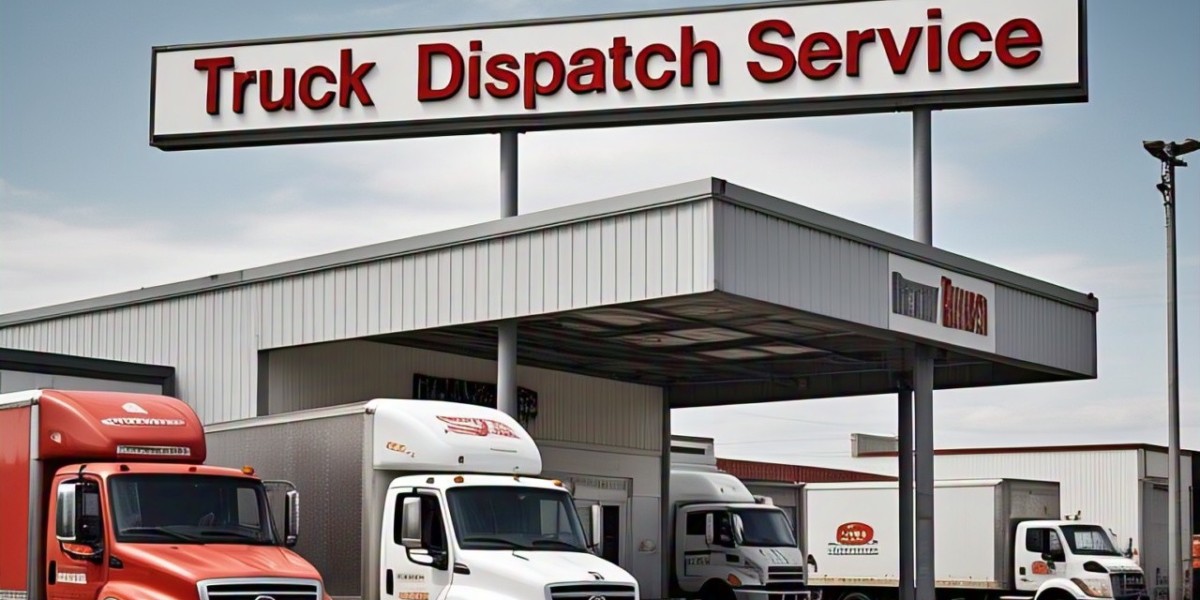

In transportation, growth is rarely neat. One week you’re comfortably running a handful of lanes; the next week you’re juggling rate confirmations, check calls, detention questions, and last-minute repowers—while still trying to keep wheels turning. For many small carriers and owner-operators, that’s the moment dispatch stops being “admin work” and becomes a bottleneck.
That’s where a third-party dispatch company can come into the picture—not as a replacement for your business, but as an operational layer that helps you run more consistently, communicate faster, and protect your time.
What “third-party dispatch” really means
Outsourced dispatch is typically a service that helps carriers handle the daily workflow required to keep loads moving. Depending on the provider and your needs, dispatch support can include:
- Sourcing loads that match your equipment and preferred lanes
- Negotiating rates and confirming details (appointments, commodity notes, accessorials)
- Managing paperwork like rate cons, lumper receipts, and POD follow-ups
- Coordinating tracking and check calls with brokers/shippers
- Helping reduce deadhead through smarter lane planning
At the top of the funnel, the big takeaway is simple: you’re not “paying someone to do what you can do.” You’re paying for speed, consistency, and fewer dropped balls—especially when you’re driving or managing multiple trucks.
Common pain points dispatch support helps relieve
Most carriers don’t seek dispatch help because they don’t know the business. They seek it because the business becomes too time-sensitive to manage alone.
Here are a few issues that show up as you scale:
- You miss better loads because you’re busy. Great-paying freight can disappear while you’re fueling, loading, or sleeping.
- Negotiations get rushed. Without time to compare lanes and market rates, it’s easy to accept “good enough” pricing.
- Communication drains your day. Status updates, appointment changes, and tracking requests can take hours per week.
- Paperwork piles up. Missing a document or sending it late can delay payment and create broker friction.
Dispatch services can be especially helpful when you’re trying to increase weekly revenue consistency, tighten your schedule, and maintain a professional communication rhythm with brokers and customers.
What to look for before you hire dispatch help
Not all dispatch providers operate the same way. Before you commit, ask practical questions that affect your cash flow and reputation:
- Do they understand your equipment and lanes? Dry van, reefer, flatbed, power-only—each has different constraints and opportunities.
- How do they handle rate negotiation? Ask how they compare lane rates, what their “floor” strategy is, and how they handle accessorials like detention, layover, TONU, and lumper.
- What’s the communication process? Clear expectations matter: who talks to brokers, who handles tracking, and how updates get relayed to you.
- How do they protect your business relationships? You want someone who communicates professionally and doesn’t burn bridges.
- What systems do they use? Even lightweight workflows—shared tracking tools, a simple TMS setup, document folders—can reduce errors.
A strong dispatch partner should feel like an extension of your operation: organized, responsive, and aligned with how you want to run.
Red flags that can cost you money
At a high level, avoid providers that:
- Promise unrealistic weekly numbers without knowing your lanes, Hours of Service reality, or market conditions
- Push loads that don’t fit your schedule just to “keep you moving”
- Avoid transparency around fees, responsibilities, or broker communication
- Don’t document key details (appointments, detention policy, tracking requirements)
In dispatch, small missteps become expensive fast—missed appointments, chargebacks, negative broker feedback, or wasted miles.
Dispatch support isn’t just about finding freight
A lot of people assume dispatch is simply “booking loads.” But for healthy operations, the bigger win is reducing variability: fewer empty miles, fewer preventable delays, cleaner paperwork, and a calmer daily workflow.
When you free up time, you can focus on what actually grows the business: maintenance planning, driver management (if you have multiple trucks), compliance, direct shipper outreach, and building long-term lane consistency.
If you’re exploring outsourced dispatch as a way to stabilize revenue and reduce day-to-day stress, consider speaking with Freight Dispatch Services to learn what a structured dispatch process can look like for your lanes, equipment type, and growth goals.