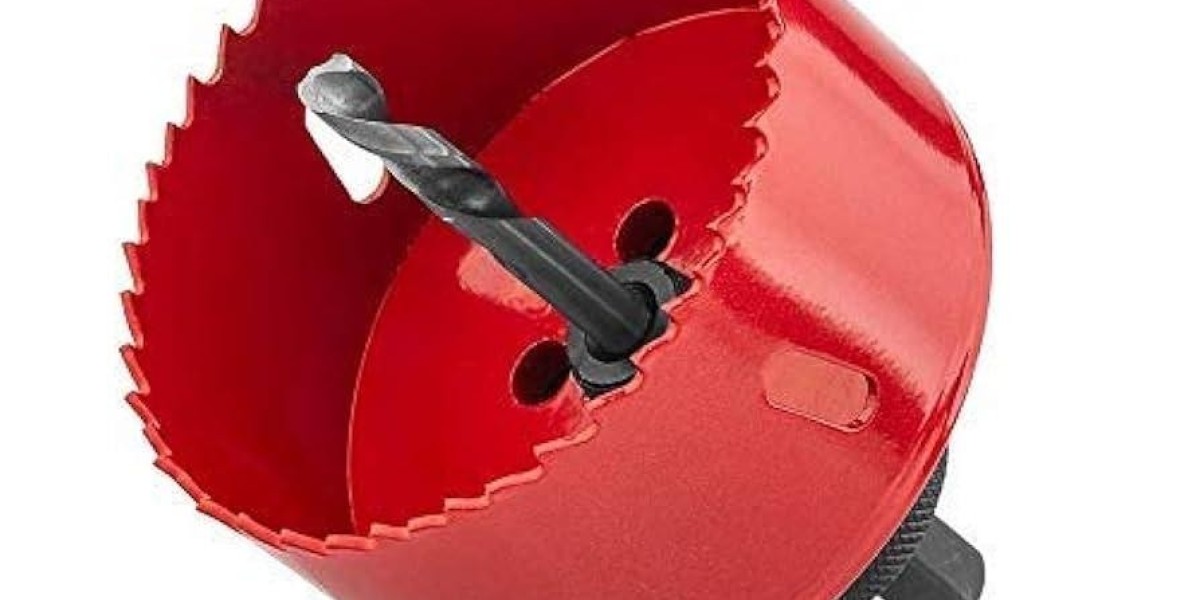

In modern fabrication and installation work, achieving consistent circular openings requires equipment designed for stability and adaptability. The Fangda Hole Saw Cutter offered by fangda-tools reflects a practical approach to cutting efficiency, combining structural balance with functional design. This type of tool supports professionals who need predictable results across different work environments, whether in construction, renovation, mechanical assembly, or interior installation. By focusing on reliability and ease of integration with common power tools, it contributes to smoother workflows and reduced operational interruptions.
One of the key aspects of circular cutting tools is their structural geometry. The relationship between tooth arrangement, cutting edge alignment, and body rigidity directly affects how the tool engages with the material surface. A well-balanced design helps maintain directional stability during rotation, which supports cleaner edges and reduces unnecessary vibration. This not only improves the visual quality of the opening but also contributes to more controlled handling during operation.
Material compatibility is another essential consideration. Modern applications often involve diverse substrates, ranging from wood panels and composite boards to plastics and light metals. Tools designed with adaptable cutting characteristics allow operators to work across these materials without frequent tool changes. This flexibility supports workflow continuity and simplifies tool management, especially in environments where efficiency and organization are important.
Heat management also plays a role in maintaining performance. During continuous cutting, friction generates heat that can affect both the tool and the material. Designs that support efficient chip removal help reduce heat accumulation by allowing debris to exit the cutting zone more freely. This contributes to smoother cutting action and helps maintain the structural integrity of the tool over time.
Ease of installation and compatibility with standard equipment further influence usability. Professionals benefit from tools that integrate smoothly with commonly used drills and drivers, allowing quick setup and transition between tasks. This reduces downtime and supports consistent productivity, particularly in projects requiring repeated circular openings.
Consistency is often linked to precision manufacturing processes. Uniform tooth formation and balanced construction help ensure predictable cutting behavior. When a tool maintains stable contact with the material, it supports accurate positioning and reduces the likelihood of irregular edges. This is particularly relevant in applications where alignment and finish quality affect the overall assembly.
In addition, durability contributes to long-term usability. Tools designed with attention to structural strength and wear resistance can support repeated use in demanding environments. This reduces the frequency of replacement and supports cost-effective operation over time. Proper maintenance, including cleaning and appropriate storage, further helps preserve functionality and readiness for future tasks.
As industries continue to adopt more refined installation and fabrication standards, reliable circular cutting tools remain essential components of professional toolkits. They support efficiency, accuracy, and adaptability across a wide range of applications.
If you are curious about how thoughtful tool design can support your next project, step into a space where practical solutions take shape. Visit www.fangda-tools.com and see what possibilities are waiting to be uncovered.