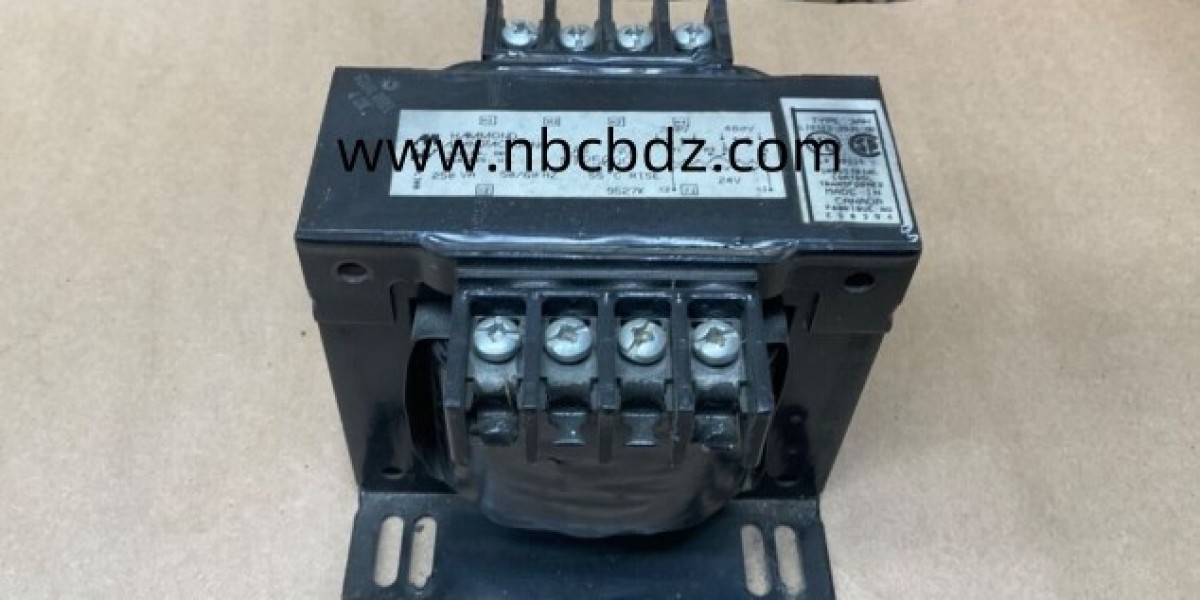

In the evolving electrical manufacturing landscape, Chuangbiao Square Transformer Factory development reflects a shift toward compact structures and coordinated engineering processes. Nbcbdz approaches transformer production with organized workflow management and application-oriented design planning, aligning square transformer solutions with the practical needs of industrial equipment, power modules, and integrated systems. Through balanced technical evaluation and careful assembly procedures, the company supports stable and adaptable component integration.
Square transformers are valued for their structured geometry and space-conscious installation advantages. Their shape allows efficient arrangement within control cabinets, electronic enclosures, and modular devices. However, achieving structural balance requires thoughtful coordination between magnetic core configuration, winding layout, and insulation planning. Each production stage contributes to electromagnetic stability and mechanical consistency.
Design preparation begins with a clear understanding of system requirements. Engineers review voltage parameters, load characteristics, and environmental considerations before finalizing transformer specifications. This structured assessment ensures compatibility between component performance and equipment architecture. By aligning technical planning with practical installation scenarios, manufacturers help reduce adjustment cycles during integration.
Material management remains central to stable transformer production. Core materials influence magnetic behavior, while conductor selection affects current handling and thermal response. Organized procurement and inspection procedures help maintain manufacturing clarity. Rather than focusing solely on scale, attention is placed on process coordination and steady craftsmanship throughout each assembly phase.
During production, winding accuracy and structural alignment are carefully monitored. Defined workflow checkpoints guide transformers through lamination stacking, coil formation, insulation layering, and terminal positioning. Routine functional testing supports readiness before integration into broader systems. This measured approach contributes to reliable operation across diverse industrial applications.
Adaptability plays an important role in today's equipment design. Square transformers may require varied mounting options, enclosure formats, or electrical configurations depending on project demands. Flexible specification planning enables tailored adjustments while maintaining structured production discipline. Collaboration between engineering teams and clients ensures that final designs reflect real operational needs.
Environmental considerations increasingly shape manufacturing strategies. Efficient material utilization and organized workflow planning help reduce unnecessary waste while supporting responsible industrial practices. Continuous refinement of internal processes strengthens coordination and supports sustainable development within transformer production environments.
Clear technical communication remains essential for long-term cooperation. When manufacturers and equipment developers share precise expectations, project execution becomes more streamlined. Structured dialogue from concept to completion supports smoother scheduling and consistent outcomes.
If you are considering transformer solutions designed with spatial efficiency and coordinated engineering in mind, take the next step toward informed decision-making. Visit www.nbcbdz.com and enter a digital platform where structured design thinking and practical manufacturing insight come together to support your upcoming electrical projects.