

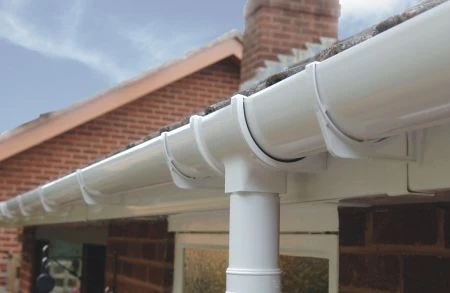
Professional Gutters: Essential Protection for Your Home
When it comes to home maintenance, one of the most ignored yet vital systems is the gutter system. Correctly installed and preserved gutters secure the home from water damage, mold, and structural concerns. This article will check out the significance of professional gutters, the types offered, installation procedures, maintenance ideas, and typical FAQs to clarify any doubts property owners may have.
Why Gutters Matter
Gutters play an essential role in directing rainwater far from the foundation of a home. Without a proper gutter system, water can accumulate near the base of your home, potentially leading to:
- Foundation Damage: Excess water can seep into the structure, causing fractures and settling concerns.
- Landscaping Erosion: Water flowing off the roof can trigger soil erosion in flower beds and gardens.
- Basement Flooding: Poor drainage might result in flooding in basements and crawl spaces, developing an environment for mold and mildew.
- Roof Damage: Clogged gutters can trap water, causing roof leakages and structural damage gradually.
Table 1: Common Problems Caused by Poor Gutter Systems
| Issue | Description | Possible Consequences |
|---|---|---|
| Structure Damage | Water pooling around the home | Fractures, settling, and expensive repairs |
| Disintegration | Loss of soil around landscaping | Plant loss, increased maintenance |
| Basement Flooding | Water accumulation in basements | Mold development, health concerns |
| Roof Damage | Trapped water triggering leaks and rot | Roof replacement, structural issues |
Types of Gutters
There are a number of kinds of gutters readily available, each with its special benefits. Comprehending the distinctions can help homeowners make informed choices.
1. K-Style Gutters
- Description: The most common gutter style in the U.S., looking like the letter "K."
- Advantages: Efficient water flow, available in various sizes, and frequently has a flat bottom for seamless installation.
2. Half-Round Gutters
- Description: Circular in shape, similar to old European styles.
- Advantages: Aesthetically pleasing, simpler to clean, and suitable for historical homes.
3. Box Gutters
- Description: Typically concealed behind the fascia board.
- Advantages: Large capacity for heavy rainfalls, can be integrated into the roof design.
4. Seamless Gutters
- Description: Made from a single piece of product, decreasing joints.
- Advantages: Reduces leakage, tailored to fit the home, and lower maintenance.
Table 2: Comparison of Gutter Types
| Gutter Type | Aesthetic Appeal | Maintenance Level | Leakage Potential | Expense |
|---|---|---|---|---|
| K-Style | Moderate | Moderate | Moderate | ₤ |
| Half-Round | High | Low | Low | ₤ ₤ |
| Box | High | Moderate | Moderate | ₤ ₤ |
| Seamless | High | Low | Low | ₤ ₤ ₤ |
Installation of Professional Gutters
The installation procedure is crucial for the efficiency of any gutter system. Here are the typical actions included in professional Gutter Installation - original site,:
1. Assessment and Measurement
Professional installers initially assess the home's design and determine the locations where Affordable Gutters will be put.
2. Material Selection
House owners pick the product (aluminum, copper, Gutter Company vinyl, etc) based on budget plan, aesthetic appeals, and sturdiness.
3. Fabrication
If seamless gutters are selected, installers will fabricate them on-site to make sure perfect fitment.
4. Installation
The gutters are protected to the house utilizing brackets and pitched correctly to make sure reliable drainage.
5. Downspouts Installation
Downspouts are tactically placed to assist water far from the structure.
6. Final Inspection
A final review is conducted to make sure whatever is effectively set up and operating.
Maintenance Tips for Gutters
Maintaining gutters is crucial for their durability and efficiency. Here are some necessary maintenance pointers:
- Regular Cleaning: Clean gutters a minimum of twice a year to get rid of particles and prevent clogging.
- Check for Damage: Regularly check for rust, cracks, or drooping areas.
- Make Sure Proper Drainage: Make sure downspouts are clear and directing water a minimum of 5-10 feet far from the foundation.
- Set Up Gutter Guards: Consider setting up gutter guards to decrease debris build-up.
- Arrange Professional Inspections: Hire professionals for annual assessments to capture issues early.
Table 3: Maintenance Schedule
| Activity | Frequency |
|---|---|
| Tidy Gutters | Two times a year |
| Inspect for Damage | Quarterly |
| Examine Downspouts | After heavy rain events |
| Professional Inspections | Yearly |
Frequently asked questions About Gutters
Q1: How much do professional gutters cost?
A: The expense of professional Gutter Cleaning installation can vary widely based on products, the size of the home, and local labor rates. Usually, property owners can expect to pay in between ₤ 800 and ₤ 2,500.
Q2: How long do gutters last?
A: The lifespan of gutters depends upon the material. Aluminum gutters can last 20 years, while copper gutters might last approximately 50 years with correct maintenance.
Q3: Can I install gutters myself?
A: While some property owners might pick to install gutters themselves, working with professionals makes sure correct installation, decreasing the risk of damage and future repairs.
Q4: What should I do if I notice leakages?
A: If you notice leakages, it's essential to clean the gutters and inspect for any damage. If issues persist, seek advice from a professional gutter service.
Professional gutters are a necessary financial investment for any property owner aiming to secure their property from water damage. By comprehending the various types of gutters, the installation procedure, and maintenance requirements, homeowners can make informed choices that will lead to lasting protection and comfort. Investing in a quality gutter system is not simply about aesthetics; it's about securing your home and guaranteeing its longevity against the components.