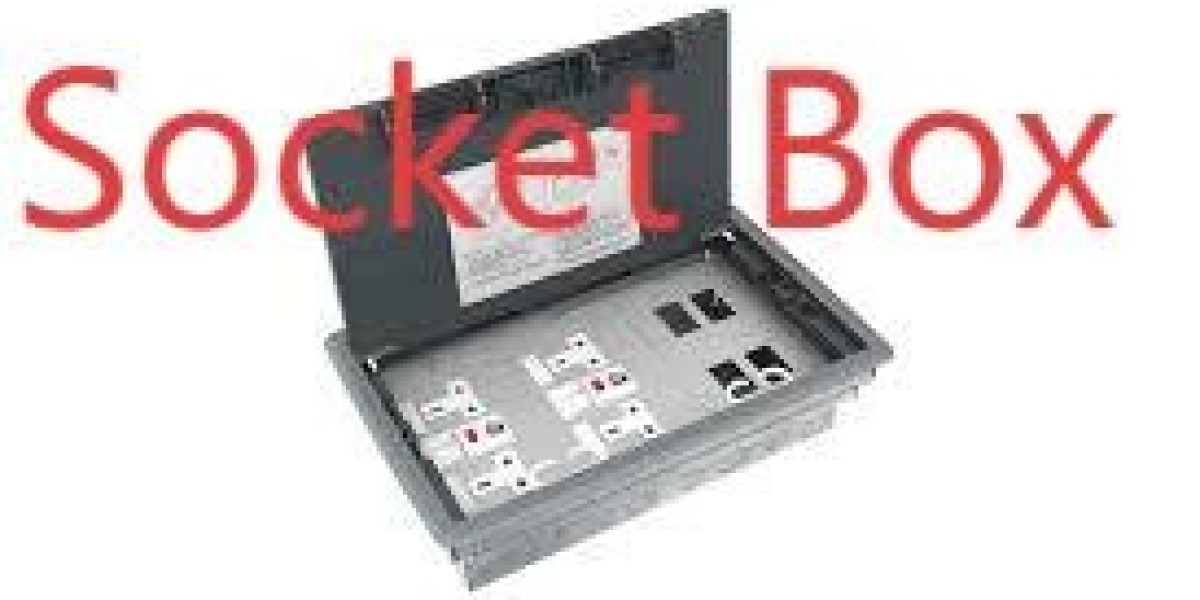

In factories, workshops, and public facilities, a Electrical Socket Box Manufacturer can shape the reliability of daily operations, and a skilled Electrical Socket Box Manufacturer often determines how safely a site handles power access over time. Power distribution may seem ordinary at first glance, but in real working environments it affects everything from equipment uptime to maintenance efficiency. A well-planned enclosure helps teams organize wiring, protect connections, and reduce the chance of disruption. It also gives managers more confidence that the electrical layout can support real-world use rather than only looking good on paper. That practical value is why buyers often pay close attention to structure, materials, and design details before they make a final decision.
1. Planning Power Access Around Real Workflows
Every facility has its own rhythm. Some sites run predictable production schedules, while others change by the hour as teams move, machines shift, and temporary equipment comes and goes. That means electrical access cannot be planned in isolation. It must follow the actual flow of work. If the enclosure is placed too far from the task zone, workers may stretch cables across walkways or create unnecessary clutter. If it is placed too close to traffic, it may suffer wear faster than expected.
Good planning begins with observation. Where do people walk? Where do tools need to be plugged in most often? Which areas require frequent inspection or reconfiguration? These questions help determine the most practical placement for the box. A thoughtful layout can reduce wasted time, simplify maintenance, and create a cleaner environment for everyone on site. It also supports safer habits because workers are less likely to improvise when the power setup is easy to understand and easy to reach.
The most effective sites treat electrical access as part of workflow design. That perspective turns a small component into a useful operational tool.
2. Materials and Build Quality
An enclosure must do more than hold components in place. It has to protect them under pressure, resist wear, and remain functional after long periods of use. Material choice plays a major role in that performance. Strong housing can resist impact and preserve shape, while weaker material may crack, warp, or lose alignment over time. Once that happens, the entire system becomes harder to trust.
Build quality also includes the way parts fit together. A secure enclosure should close smoothly and stay closed, even when the environment changes. It should support stable connections and allow technicians to inspect or service the contents without unnecessary friction. When a product is built well, that quality often becomes invisible because the unit simply does its job without calling attention to itself.
Durability is especially important in places where dust, vibration, or frequent handling are part of normal operations. In those environments, the best products are the ones that preserve function through repetition. The goal is not just to survive the first week. The goal is to remain dependable after months or years of use.
3. Nante Design Choices for Field Service
Field service places special demands on electrical hardware. Technicians need to identify problems quickly, reach the right points without confusion, and complete work without creating new issues. That is why design must support access, clarity, and consistency. A service-friendly enclosure saves time during inspections and helps reduce the risk of mistakes when maintenance is urgent.
Clear internal organization matters. If cables and parts are arranged logically, a technician can understand the setup faster and respond with more confidence. That becomes especially valuable in facilities that cannot afford long interruptions. A product that is easy to service does more than improve maintenance. It also supports the site’s broader plan for continuity and uptime.
This is where good engineering becomes visible. The best design choices are often small ones: a cleaner entry point, a simpler arrangement, a more intuitive closure method, or a layout that helps users see what matters right away. Those details may seem minor, but in the field they often determine whether work feels manageable or frustrating.
4. Installation Habits That Prevent Delays
Even the best enclosure can underperform if installation is careless. Proper mounting, clean cable preparation, and neat routing all influence how well the system works afterward. Rushed installation can create loose fittings, hidden stress points, or awkward positioning that becomes a problem later. That is why experienced crews usually spend time on alignment before they finish the job.
Good installation habits are also about future service. If the unit is mounted clearly and the wiring is arranged logically, later work becomes easier. Technicians can inspect the setup more quickly, and managers can document the system with less confusion. This helps reduce downtime because the next visit is less likely to turn into a long search for the source of a problem.
A professional installation should also support safety around the site. Clean routing helps reduce trip hazards, and clear access points make it easier to manage repairs without disturbing surrounding operations. In this way, installation quality influences not only the hardware but also the people who rely on it every day.
5. Long-Term Value for Facility Teams
The value of an electrical enclosure is measured over time. A low-cost choice that creates repeat problems usually becomes expensive in the long run. A reliable choice, on the other hand, can reduce service calls, limit interruptions, and support smoother coordination across teams. That is why facility managers often look beyond the initial purchase and focus on total usefulness.
Long-term value also comes from predictability. When the setup is dependable, teams can plan around it. Maintenance staff can schedule checks with more confidence. Operations leaders can make decisions without worrying that the power layout will become a weak point. Users benefit as well because the system feels stable and easy to live with.
In busy environments, this kind of consistency matters. It helps the electrical infrastructure become a support system rather than a source of stress. That is the real test of a well-made product: whether it continues to help after the novelty of installation has passed.
For readers who want a closer look at product-oriented guidance, Fly-Dragon Electrical Co., Ltd. has additional reference material at https://www.nante.com/news/industry-news/what-is-a-socket-box.html, which can help teams compare details before choosing a solution.