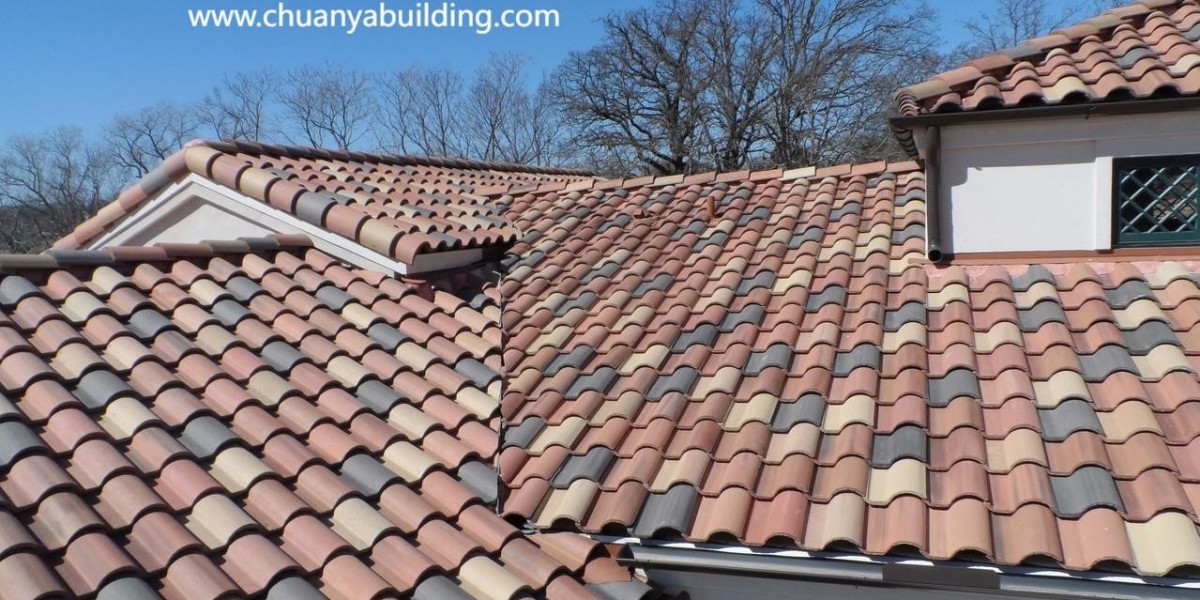

When it comes to industrial construction, selecting the right materials is crucial. Factory Building Roof Tiles offered by Chuanyabuilding combine durability, aesthetic appeal, and functional design, making them a preferred choice for modern factories. How do these tiles stand the test of time under varying weather conditions?
Industrial roofing materials vary widely, from metal sheets to ceramic and composite tiles. Each material presents distinct advantages. Metal tiles are lightweight and resistant to corrosion, which makes them suitable for regions with high humidity or frequent rainfall. Ceramic tiles provide excellent thermal insulation, helping maintain stable indoor temperatures while withstanding extreme heat or cold. Composite tiles merge strength with design flexibility, often simulating natural textures while minimizing long-term maintenance. Deciding which material to use requires careful consideration of structural load capacity, environmental conditions, and expected service life.
Longevity is not solely determined by material selection. Maintenance plays an equally important role. Proper installation ensures water resistance, prevents leaks, and enhances overall structural stability. Regular inspections allow minor problems to be addressed before they escalate into costly repairs. Tiles with surface treatments that resist algae growth, fading, and erosion contribute significantly to operational efficiency. Even the choice of fasteners, underlayment, and ventilation methods affects performance, illustrating that durable materials alone are insufficient without comprehensive planning and professional installation practices.
Industrial design increasingly values the visual impact of roofing. A well-coordinated roof complements a factory's architecture and improves its overall appearance. Visually appealing roofing solutions can create a sense of professionalism and reliability, which may influence clients'perception and confidence in a company. Well-designed roofs also provide functional benefits, such as improved drainage and optimized airflow, which can contribute to energy savings and interior comfort.
Environmental factors also play a critical role in determining the performance and longevity of roof tiles. Factories in areas with frequent storms, heavy snow, or intense sun exposure require tiles with specific resistance and durability characteristics. Advanced surface coatings, reflective finishes, and engineered tile profiles can reduce heat absorption, minimize wear, and extend service life. Proper attention to these details helps lower energy consumption, reduce maintenance costs, and provide a safer working environment for employees.
Planning and installation are key components of roofing success. A coordinated approach ensures that design, material selection, and construction techniques work together seamlessly. Thoughtful integration of ventilation, insulation, and water management systems enhances structural integrity and operational efficiency. By investing in strategic planning, factory owners can achieve a long-lasting roof that delivers both protection and value throughout the building's lifecycle.
Factory roof tiles represent a strategic investment that impacts durability, safety, and appearance. Selecting a trusted supplier ensures access to high-quality materials, professional guidance, and consistent results. For a detailed guide on design, installation, and maintenance, visit https://www.chuanyabuilding.com/news/industry-news/factory-building-roof-tiles-types-materials-selection-guide.html . Are you prepared to transform your industrial roofing into a solution that combines lasting durability and refined design?